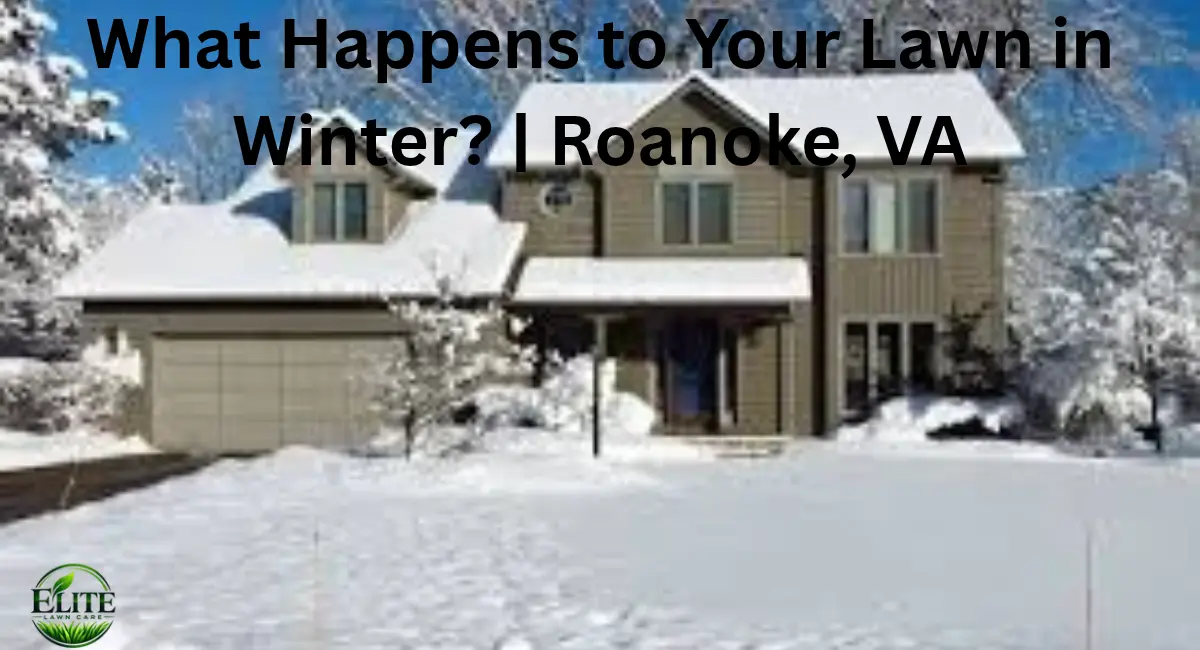
What Happens to Your Lawn in Winter? | Roanoke, VA
By Elite Lawn Care Team | Last Updated: October 18, 2026
When winter arrives, grass growth slows, lawn color may change, and some grass varieties enter dormancy. In Roanoke, Virginia, what happens to your lawn depends largely on the type of grass you have, how cold the weather becomes, and the condition of your soil.
Most brown grass is not automatically dead. Warm-season grasses such as bermudagrass and zoysiagrass commonly turn brown during winter dormancy, while cool-season grasses such as tall fescue may retain more green color but grow more slowly. Frost, dry winds, and prolonged moisture problems can also affect lawn health.
Understanding these seasonal changes helps you recognize normal winter behavior, identify possible damage, and know what to expect when spring arrives.
1. Why Does Grass Stop Growing in Winter?
Grass is a living plant, and its growth responds to temperature, daylight, moisture, and other environmental conditions. As temperatures fall and days become shorter, many lawns grow more slowly.
Virginia Tech identifies approximately 60–75°F as a favorable daytime temperature range for cool-season grass shoot growth, while warm-season grasses generally perform best at approximately 80–95°F. These are general growing-temperature ranges, not exact temperatures at which grass automatically stops growing.
What Happens to Cool-Season Grass?
Tall fescue and Kentucky bluegrass are common cool-season grasses in Virginia. They grow best during cooler periods, particularly spring and fall, and can remain green through parts of winter when conditions are favorable.
However, their growth slows during cold weather. They may also experience stress from freezing temperatures, dry conditions, or saturated soil.
What Happens to Warm-Season Grass?
Bermudagrass and zoysiagrass prefer warmer growing conditions. When repeated frosts arrive, these grasses gradually lose their green color and enter dormancy.
According to Virginia Tech’s turfgrass selection guidance, warm-season grasses in Virginia typically experience around four to five months of winter dormancy, from late fall to early spring.
Dormancy is a normal seasonal response, not proof that the lawn has died.
2. Why Does Your Lawn Turn Brown in Winter?
Brown grass is one of the most noticeable changes homeowners see during winter. However, the color change can have several explanations.
Normal Winter Dormancy
Warm-season grasses naturally lose their green color after killing frosts. Their leaves turn tan or brown as active growth stops, while surviving plant structures remain capable of producing new growth when conditions become favorable.
The lawn may look completely brown but still function as ground cover.
Frost Damage to Grass Blades
When frost forms on grass, freezing temperatures can damage exposed leaf tissue. Warm-season lawns may develop irregular green and brown patterns after the first frosts because different areas of the grass canopy experience different conditions.
Virginia Cooperative Extension explains that these patterns can appear alarming but are often part of the normal transition into dormancy for bermudagrass and zoysiagrass.
Read the Virginia Tech guide to frost damage on warm-season turf for more information.
Winter Desiccation
Winter desiccation occurs when grass loses moisture faster than it can replace it. Cold winds, dry weather, and frozen soil can contribute to this problem.
Exposed lawn areas may show more discoloration than sheltered areas. Desiccation can cause genuine injury, so persistent damage should not automatically be dismissed as normal dormancy.
If your grass is already brown, our guide to why grass turns brown in Roanoke, VA explains other possible causes and how to distinguish them.
3. What Do Frost, Frozen Soil, Snow, and Ice Do to a Lawn?
Winter weather affects more than grass color. It can also influence plant tissue, soil conditions, and the lawn’s ability to recover.
Frost and Foot Traffic
Walking repeatedly on frost-covered grass can damage frozen leaf blades. The risk is especially relevant for cool-season lawns such as tall fescue.
Avoid unnecessary traffic when grass is frozen, particularly if the same paths are used repeatedly.
Frozen and Waterlogged Soil
Soil that freezes and thaws can experience changes in structure and moisture conditions. When soil is saturated, repeated foot traffic or equipment use can also increase compaction and disturb the turf.
Poor drainage may make these problems more noticeable in certain areas of a yard.
Snow and Ice
Snow does not automatically kill grass. However, prolonged snow cover, ice sheets, and unfavorable moisture conditions can contribute to winter injury in some situations.
Snow-associated turf diseases may also develop under suitable conditions. The actual risk depends on the grass type, local weather, duration of snow cover, and lawn condition.
For homeowners in Roanoke, the important distinction is that a brown lawn may simply be dormant, while certain combinations of cold, moisture, and physical stress can cause real damage.
4. How Can You Tell If Grass Is Dormant or Dead?
A brown lawn does not necessarily need reseeding. Before deciding that your grass has died, consider the grass variety, seasonal timing, and whether the lawn shows signs of recovery when conditions improve.
Signs of Normal Dormancy
- The color change occurs during the expected dormant season for your grass type.
- The lawn remains relatively uniform, without extensive unexplained bare patches.
- Grass begins producing new growth when temperatures and growing conditions improve.
Signs of Possible Winter Damage
- Bare patches remain after surrounding grass begins growing again.
- Areas continue to look unhealthy under suitable growing conditions.
- Damage is concentrated in places affected by poor drainage, severe cold, or prolonged moisture stress.
- Grass fails to recover as expected during the next active growing period.
These signs are clues rather than a definitive diagnosis. Some living grass can take time to recover, and different species respond differently to winter conditions.
For additional guidance, read Virginia Tech’s Cool-Season Lawn Recovery Following Summer Stress. Although the publication focuses on summer stress, it explains useful principles for distinguishing living turf from areas that require renovation.
5. What Happens to Your Lawn When Spring Arrives?
As temperatures become more favorable, dormant grass can resume growth. The timing and appearance of recovery depend on the species, winter conditions, moisture availability, and the health of the grass before winter.
Warm-season grasses such as bermudagrass and zoysiagrass typically begin greening up as temperatures rise and conditions support active growth. Cool-season grasses such as tall fescue may also become more active during spring’s cooler weather.
Healthy surviving grass can gradually regain color and cover some thin areas. However, grass that has died or suffered substantial injury may leave bare patches that require further assessment.
Avoid judging your lawn based on a single warm afternoon. A brief rise in temperature does not mean winter dormancy has ended or that all grass varieties will resume growth at the same time.
If your lawn remains thin or damaged after conditions improve, consider whether the problem involves dead grass, compaction, drainage, or another underlying issue.
6. What Should Roanoke Homeowners Do About Winter Lawn Changes?
The most useful response depends on what is happening to your lawn. Normal dormancy does not require the same treatment as actual turf damage.
- If warm-season grass turns brown after frost: Understand that this may be normal dormancy rather than a lawn-care failure.
- If frost covers your grass: Avoid unnecessary foot traffic until the frost has cleared.
- If the lawn stays wet: Pay attention to drainage and avoid repeated traffic on saturated soil.
- If bare patches persist in spring: Assess the cause before deciding whether reseeding or renovation is necessary.
- If you are unsure which grass you have: Identify the grass type before choosing treatments or planning future lawn improvements.
If you are considering replacing or repairing grass, our guide to the best grass seed for Roanoke, VA lawns explains the factors that matter when choosing a suitable variety.
For cool-season lawns with persistent thin areas, the best time to overseed a fescue lawn in Roanoke is another useful resource.
Frequently Asked Questions
More lawn care answers: see our FAQ page.
Need Help Assessing Your Lawn in Roanoke, VA?
Winter changes are a normal part of lawn growth, but persistent discoloration, bare patches, and poor spring recovery can indicate problems that deserve attention.
Elite Lawn Care helps homeowners in Roanoke and surrounding communities assess lawn conditions and explore appropriate lawn-care solutions.
If your lawn is struggling to recover or you are unsure whether the grass is dormant or damaged, contact Elite Lawn Care for a lawn assessment.
Visit Elite Lawn Care to learn more about our local lawn-care services and request assistance.