

Why Is My Grass Turning Brown in Roanoke, VA?
Brown grass is one of the most common lawn problems in Roanoke, VA, especially after hot summer stretches. Many homeowners assume the lawn simply needs more water, but the real cause is often something different: heat stress, brown patch fungus, insects, compacted soil, fertilizer problems, pet damage, or natural dormancy.
Quick answer: Grass in Roanoke usually turns brown because of heat and drought stress, brown patch fungus, grubs or chinch bugs, compacted clay soil, fertilizer burn, or dormancy. Brown does not always mean dead. Check the pattern of the damage and do the tug test (below) before adding water, fertilizer, or treatments.
Many lawns in the Roanoke Valley are tall fescue, a cool-season grass that can struggle in high heat and humid weather. This guide explains how to find the cause, how to tell dormant grass from dead grass, and how to restore your lawn.
How to Tell What Is Causing Brown Grass
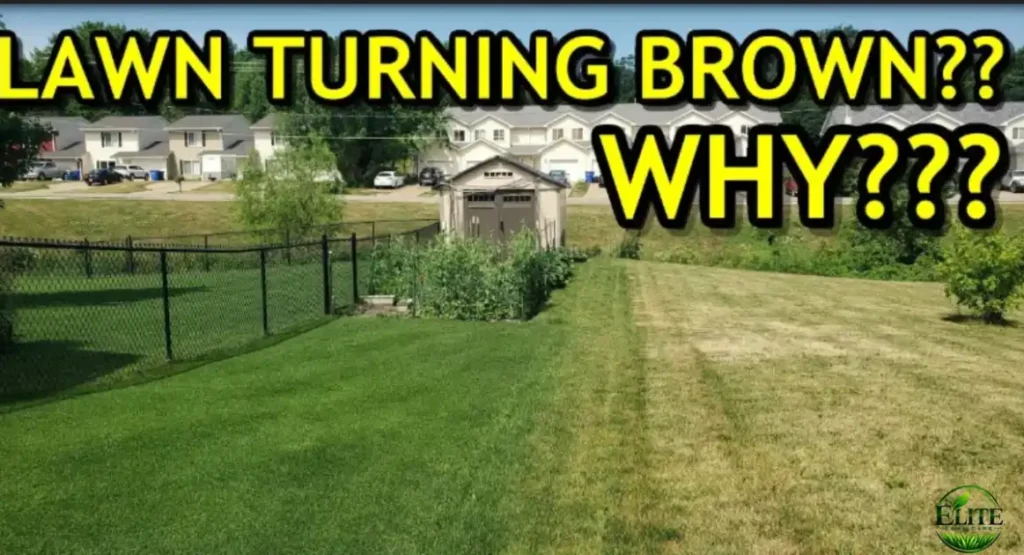
A lawn damaged by drought needs a different fix than one damaged by fungus or grubs, so diagnose first. Look at the pattern:
- The whole lawn fades evenly: usually heat stress, drought stress, or dormancy.
- Circular or irregular patches that spread: often brown patch fungus, chinch bugs, or grubs.
- Small spots with green grass around the edges: often pet urine, a fertilizer spill, or another localized cause.
- The same spots every year: often compacted soil or drainage problems.
The tug test: grab a handful of brown grass and pull gently. If it stays firmly rooted, the roots are likely alive and the lawn can recover. If it lifts like loose straw, the roots are damaged or dead.
The screwdriver test: push a screwdriver into the soil. If it’s hard to penetrate, compaction may be limiting roots.
Not sure what you’re seeing? Call or text us at +1 (804) 485-4915 for a free lawn assessment.
Common Reasons Grass Turns Brown in Roanoke, VA
Heat and Drought Stress
During hot Roanoke summers, tall fescue slows growth to protect itself. Blades turn straw-colored, but the roots and crown may still be alive. Signs include browning across large areas, curled blades, footprints that stay visible, and recovery after rain or deep watering.
Light daily watering encourages shallow roots. Deep, less frequent watering builds stronger roots and better drought tolerance.
Brown Patch Fungus
Brown patch is a common disease in tall fescue during warm, humid weather with long periods of leaf wetness. It causes circular or irregular brown patches that can spread and often return in the same spots each year.
Conditions that encourage it include evening watering, poor airflow, excess nitrogen, and heavy thatch. To manage it, water early in the morning, avoid overwatering, mow at the proper height, reduce excess nitrogen, and consider a fungicide when symptoms continue. Fungicide will not help brown grass caused by drought, insects, or soil problems, so identify the cause first. For disease identification, Virginia Tech’s Plant Disease Clinic is a resource for confirming what’s affecting a lawn.
Chinch Bugs and White Grubs
Chinch bugs feed on grass blades, causing irregular yellow-to-brown patches that spread during hot, dry weather. White grubs feed on roots, so turf lifts easily like a loose carpet, and patches don’t improve with watering. Birds or animals digging in the lawn can be another sign.
To check for grubs, lift a small section of turf and look for white, C-shaped larvae in the root zone. Insects must be controlled before the lawn can recover. Our fertilization, weed control, and grub control program covers treatment timing.
Compacted Soil and Poor Root Growth
Many Roanoke lawns sit on clay-based soil that compacts under foot traffic, equipment, and construction. Compacted soil limits oxygen, water, and nutrients, so grass turns brown even when it’s watered regularly.
Signs include water pooling or running off, thin grass, hard soil, shallow roots, and repeated brown spots in the same areas. Core aeration removes small soil plugs to open the root zone, and it’s often paired with overseeding to thicken turf.
Fertilizer Problems
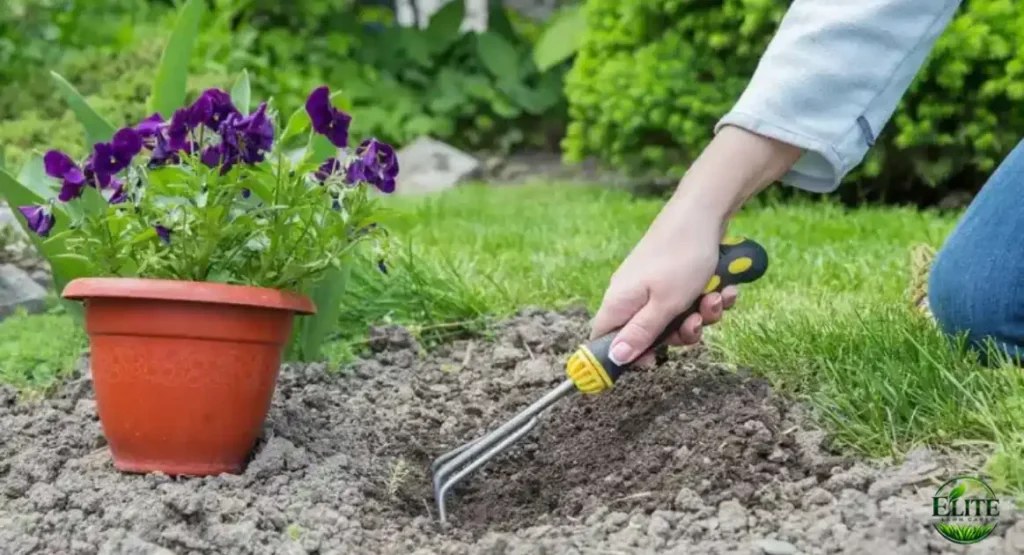
Too much fertilizer, especially nitrogen, can burn grass and cause brown or yellow patches shortly after application, sometimes in the stripes of a spreader pattern. Too little can leave grass pale, thin, and slow to recover.
More fertilizer isn’t always the answer. Applying nitrogen to a heat-stressed lawn can make disease and drought damage worse. A soil test through Virginia Cooperative Extension shows whether your lawn actually needs nutrients. Our fertilization program is timed to tall fescue’s growth cycle.
Pet Damage and Other Localized Spots
Dog urine contains nitrogen, and concentrated amounts burn grass, leaving small brown spots with green grass around the edges. Dilute the area with water soon after your dog urinates. Other localized causes include fertilizer or chemical spills, salt, heavy foot traffic, and objects blocking sunlight.
Is Your Brown Grass Dead or Dormant?
Dormant grass is alive. It slows growth to survive stress and can green up again when temperatures cool and moisture returns.
Likely dormant: blades stay firmly attached, the base of the plant has some green, the lawn improves after rain or deep watering, and the browning appeared during hot, dry weather.
Likely dead: grass pulls out easily, roots are brown or missing, bare soil appears, patches keep expanding, and nothing changes after proper watering.
Dead areas need repair through overseeding or renovation. Dormant areas usually recover on their own once conditions improve.
How to Fix Brown Grass in Roanoke, VA
- Fix watering. Water deeply, early in the morning, and check soil moisture before watering again. Constantly wet soil causes its own problems.
- Improve the soil. If the soil is compacted, core aeration helps water and nutrients reach roots.
- Treat disease correctly. Reduce the conditions fungus needs (evening watering, excess nitrogen, poor airflow) and use fungicide only when needed.
- Control insects. Identify chinch bugs or grubs before treating, then repair damage once they’re under control.
- Repair dead areas. Watering won’t revive dead turf. Prepare the soil and overseed. In Roanoke, fall is the best window for repairing cool-season grass, as covered in our fall lawn care checklist.
- Mow correctly. Keep tall fescue at a healthy height, never remove more than one-third of the blade, and keep mower blades sharp. Our lawn mowing service handles this on a schedule.
Why Is My Grass Brown After Mowing?
If the lawn looks fine before mowing and brown afterward, the cause is usually mowing stress. Cutting too short exposes the lower brown stems and crown, and dull blades tear grass and leave brown, shredded tips. Removing more than one-third of the blade at once can also shock the lawn, especially in heat. If it improves within a few days, the grass is stressed, not dead.
Why Is My Grass Brown After Heavy Rain?
Too much water can be as harmful as too little. Saturated soil reduces oxygen to the roots, and warm, wet conditions favor fungal diseases like brown patch. Let the soil dry before watering again, avoid mowing wet grass, and check low areas where water collects. If the same spots turn brown after every storm, compaction or drainage may be the real problem.
Why Is My Grass Brown in Winter?
An even brown color across the whole lawn in winter is usually dormancy, which is normal for cool-season grass. The roots and crown are still alive. Individual spreading patches or weak, damaged turf point to a different problem, such as disease, poor drainage, or winter injury. Avoid heavy foot traffic on frozen grass, and finish aeration and overseeding before winter.
How to Prevent Brown Grass
- Water deeply and less often to encourage deep roots.
- Mow at the right height with sharp blades.
- Improve soil with core aeration and overseeding thin areas.
- Test soil before adjusting fertilizer.
- Follow a seasonal plan: monitor growth in spring, manage moisture and heat in summer, aerate and overseed in fall, and avoid stress on dormant grass in winter.
A lawn maintenance program puts this schedule in one plan so problems are caught early.
When to Call a Lawn Care Professional
Get a professional evaluation if brown patches keep spreading, the grass doesn’t recover after watering or rain, the same areas turn brown every year, you suspect fungus or grubs, grass pulls up easily, or the lawn stays thin despite regular care.
A proper assessment looks at grass type, soil condition, root health, moisture, damage patterns, and the season, so you treat the actual cause instead of guessing. We serve homeowners in Roanoke, Salem, Vinton, Cave Spring, Hollins, and Bonsack. Get started with our contact page or call +1 (804) 485-4915.
Frequently Asked Questions About Brown Grass in Roanoke, VA
More lawn care answers: see our FAQ page.
Final Thoughts
Brown grass in Roanoke is a symptom, not the actual problem. Finding the cause, whether drought stress, fungus, insects, soil issues, or dormancy, is what restores the lawn. If brown areas keep returning or spreading, a professional evaluation can protect your turf before the damage gets worse.
Call or text Elite Lawn Care at +1 (804) 485-4915 for a free lawn assessment in Roanoke, VA.


One Comment
Comments are closed.