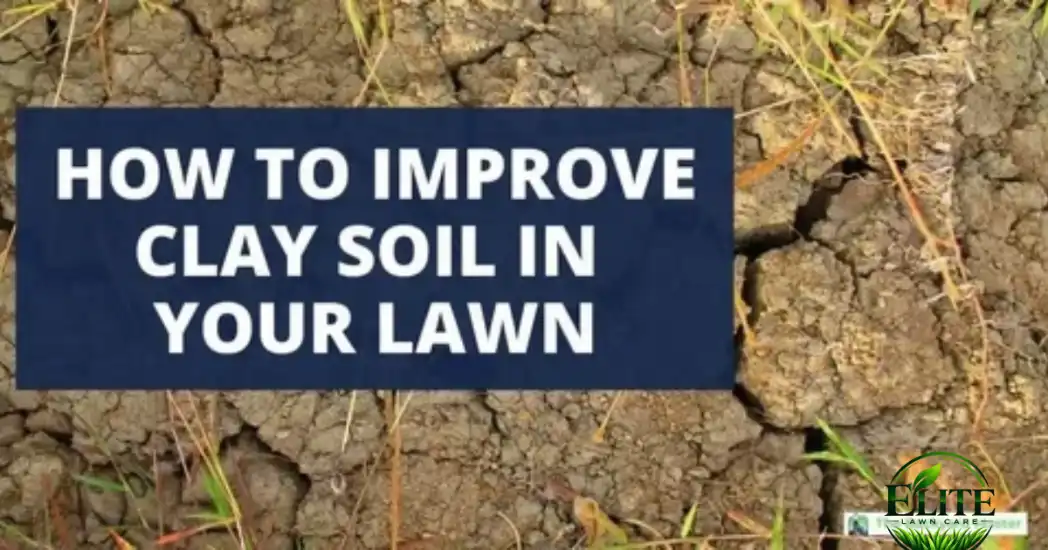
Is Core Aeration Worth It for a Clay Soil Lawn in Roanoke?
By Elite Lawn Care Team. Last updated: October 19, 2026. Aeration guidance cites Virginia Cooperative Extension (VCE) and Virginia Tech. Soil information cites Virginia Tech and the USDA Natural Resources Conservation Service (NRCS). Cost figures cite Angi and Roanoke-area price pages.
Core aeration is the removal of small plugs of soil from a lawn to reduce compaction and let air, water and nutrients reach the roots. Many Roanoke Valley soils have clay-rich subsoils, which makes compaction a common concern. Whether aeration pays off depends on the condition of your lawn and not on its soil type alone.
Quick answer: Core aeration is often worth it for a Roanoke lawn when the soil is compacted, the lawn gets heavy use, thatch is thicker than half an inch, or you plan to overseed. It is not needed on every lawn. Test first: if roots reach only 1 to 2 inches deep in a 6-inch soil sample, the soil is compacted. For fescue, aerate in early fall, when the soil is moist and not wet.
This guide gives a decision table, a compaction test and the best timing. It also covers the method for clay soil, typical costs and common mistakes.
The decision starts with the condition of the lawn.
When Core Aeration Is Worth It
VCE recommends core aeration for compacted, heavily used turf and for thatch control. The table applies that guidance.
| Condition | Worth it? | Reason |
| Roots reach only 1 to 2 inches deep in the soil test | Yes | The soil is compacted |
| Heavy foot traffic, pets or play areas | Yes | Traffic compacts soil |
| Thatch thicker than half an inch | Yes | Aeration helps control thatch |
| You plan to overseed this fall | Yes | Holes improve seed-to-soil contact |
| Water puddles on the lawn after rain | Often | Compaction can slow infiltration |
| No compaction signs and little traffic | Usually not | Freeze-thaw cycles and earthworms loosen slightly compacted soil |
| Lawn seeded or sodded this year | No | VCE advises waiting a year |
The table depends on what aeration does to the soil.
What Core Aeration Does
A core aerator pulls plugs about one-half to three-quarters of an inch wide from the lawn. VCE lists these results:
- More oxygen, water and nutrients reach the root zone.
- Roots grow deeper.
- Water soaks in instead of running off.
- Microorganisms in the plugs help break down thatch.
VCE states that spike aeration, which pushes solid tines into the soil, is less effective and can add to compaction. This guide covers core aeration only.
Clay soil raises the compaction question, so the next section explains why.
Why Clay Soil Compacts in the Roanoke Valley
Virginia Tech’s publication Soils of Virginia describes valley soils in the Ridge and Valley region, where Roanoke sits, as typically silt loam or loam with yellowish red to red subsoils that have high clay contents. Groseclose and Frederick are common soil series there.
The NRCS describes Groseclose soils as very deep and well drained with slowly permeable subsoils. It describes Frederick soils as having clay loam to clay in the subsoil. Slowly permeable subsoil means water moves through it slowly.
VCE states that compaction reduces pore space, restricts air and water movement and blocks roots. The effect is greatest on poorly drained or wet sites.
Soils vary from yard to yard. Your property may differ from the typical series, so test the lawn instead of assuming.
How to Tell If Your Lawn Is Compacted
VCE gives a simple test:
- Remove a one-square-foot section of turf and soil, about 6 inches deep.
- Look at the roots.
- Roots that reach only 1 to 2 inches into the soil indicate compaction.
Other signs include thin turf in high-traffic areas, water pooling after rain and soil that resists a screwdriver or probe. Cool-season grass roots are shortest in late summer, so judge them with that in mind.
Not every lawn that fails to show these signs needs aeration.
When Aeration Is Not Needed
VCE states that lawns not exposed to compacting events do not need aeration. Freeze-thaw cycles in winter and earthworm activity loosen slightly compacted soil. VCE also advises against aerating a lawn in its first year after seeding or sodding.
Soil that is saturated or bone dry is also a poor candidate, because the aerator cannot pull clean plugs. Timing matters most in those cases.
Best Time to Aerate a Fescue Lawn in Roanoke
VCE recommends aerating tall fescue in late August through mid-September, as the grass comes out of summer stress and weed competition is low. VCE’s maintenance calendar lists September through November as the preferred period for cultivation. VCE’s Gardener Handbook lists early spring as the second option.
For most Roanoke lawns, early to mid fall is the best window. Our guide to when to overseed a fescue lawn in Roanoke gives the seeding dates that go with aeration.
Timing sets the season, and soil moisture sets the day.
How to Aerate Clay Soil Properly
VCE warns that heavy clay soils, and soils with stones, rocks or tree roots, can be extremely difficult to core aerate. Follow these steps:
- Water ahead of time. VCE advises aerating when the soil is moist but not wet. Water the lawn before aerating if it is dry.
- Avoid saturated soil. Wait after a heavy rain.
- Mark hazards. Flag sprinkler heads, shallow lines and obstacles.
- Make a second pass. Aerate in two directions for compacted areas.
- Leave the plugs. VCE states that the cores break down and work back into the lawn within a few weeks.
- Follow up. Fertilize and seed right after aeration, because the holes help seed contact the soil.
For heavily compacted lawns, the Gardener Handbook recommends a quarter-inch layer of compost top-dressing once or twice a year.
Homeowners who prefer professional equipment can use a core aeration and overseeding service in Roanoke.
Cost is the next question for most homeowners.
Cost: Professional vs DIY Aeration
Angi reports a national average of $141 for professional aeration, based on 3,222 verified projects, with a range of $76 to $207. LawnStarter lists a $154 average. Roanoke-area price pages list $75 to $150. Angi lists a day of aeration machine rental at $80 to $120.
A rented machine also takes time and a vehicle to move it, and it may need extra weight for tough soil. Full price ranges are in our lawn care cost guide.
After aeration, a few steps decide the result.
What to Do After Aeration
- Seed. Overseed thin areas. Our guide to the best grass seed for Roanoke lawns covers variety choice.
- Fertilize. VCE recommends a starter fertilizer with an N-P-K ratio of 1:2:1 or 1:2:2 for new seedings, based on a soil test.
- Water. Keep the seedbed moist until the seed germinates.
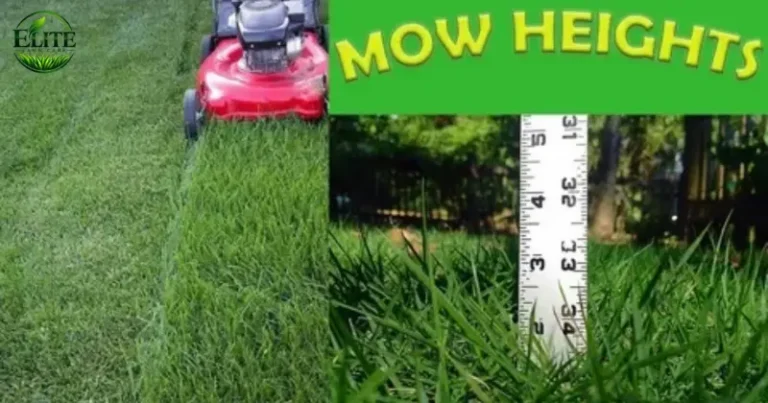
- Mow normally. Keep tall fescue at 3 to 4 inches.
Most aeration problems come from a few repeated errors.
Common Core Aeration Mistakes
- Using spike aeration. VCE states it is less effective and can add to compaction.
- Aerating at the wrong time. Summer heat and winter cold leave the lawn unable to recover.
- Aerating saturated or very dry soil. The tines cannot pull clean plugs.
- Aerating a new lawn. VCE advises waiting a year.
- Skipping the follow-up. Seed and starter fertilizer applied afterward make use of the holes.
- Skipping the test. A lawn without compaction signs may not need the service.
Related Lawn Topics
- Fall lawn care checklist for Roanoke homeowners: the full seasonal sequence.
- When to fertilize a lawn in Roanoke: fall nitrogen timing.
- How to choose a lawn care company in Roanoke: questions to ask before you hire.
Elite Lawn Care serves Roanoke, Salem, Vinton, Cave Spring, Hollins and Bonsack. For a free lawn assessment, call or text +1 (804) 485-4915 or use the contact page.
Frequently Asked Questions
More lawn care answers: see our FAQ page.